I Keep Falling Off Track — Here’s How Health Platforms Quietly Changed Everything
We’ve all been there — staring at a to-do list that never shrinks, forgetting doctor’s advice, or feeling overwhelmed by goals that slip through our fingers. I used to mutter, “I’ll start tomorrow,” until a simple shift changed how I organize my days, care for my body, and even show up for myself. It wasn’t magic — it was a smarter way to track progress through health consultation platforms. If you’re tired of trying to do it all in your head, this is for you. You’re not lazy. You’re not broken. You just need a system that understands life the way you live it — messy, beautiful, full of love, and sometimes, just trying to keep the laundry from piling up.
The Moment Everything Felt Like Too Much
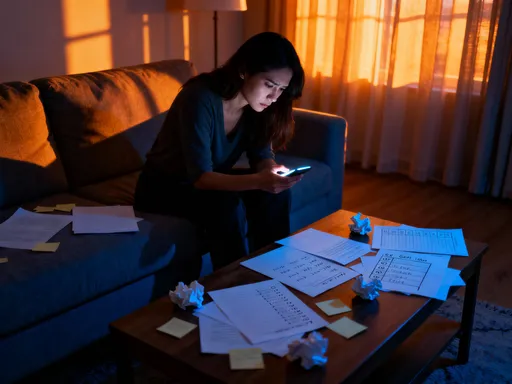
I remember the exact afternoon everything cracked. My youngest had just started third grade, my oldest was navigating middle school drama, and I was juggling a part-time job that demanded more than its hours paid. I sat on the edge of my bed, one sock on, the other missing, phone buzzing with a reminder I’d already dismissed three times: Call pediatrician — flu shot records. I stared at it, heart pounding, not because the task was hard, but because I couldn’t remember the last time I’d done anything without feeling like I was failing at it.
It wasn’t just the appointments. It was the mental load — the invisible list running in the back of my mind like a never-ending scroll. Did I refill the vitamins? Did I schedule my annual check-up? Did I drink enough water today? Did I even eat lunch? I’d write things down, sure, but the notes lived in five different places — a sticky note on the fridge, a voice memo I never listened to, a half-filled planner gathering dust. The guilt built slowly, like water rising in a bathtub I’d forgotten to turn off. I wasn’t lazy. I was drowning in good intentions.
That day, I called my sister. Not for advice, really — just to talk. I said, “I feel like I’m running a marathon with no finish line, and I keep dropping the baton.” She listened, then said something that stuck: “Maybe you don’t need more willpower. Maybe you need better support.” I didn’t know what that meant yet, but I knew she was right. The problem wasn’t me — it was the system. Or rather, the lack of one.
Discovering the Right Tool Wasn’t About More Apps — It Was About Connection
Like so many of us, I turned to my phone. I downloaded apps for meal planning, step counting, mood tracking, water logging — you name it. At first, it felt hopeful. A fresh start. But within weeks, the excitement faded. Logging meals became a chore. Counting steps felt like homework. And the notifications? They started to feel like nagging. “You only walked 3,200 steps today.” “You missed your mindfulness session.” I didn’t feel supported — I felt judged.
What I didn’t realize then was that I wasn’t looking for another tracker. I was looking for a partner. Something that didn’t just collect data, but understood it. That’s when I found a health consultation platform — not an app that screamed at me to move, but one that asked, “How are you *really* doing?” It didn’t just record my blood pressure readings; it remembered that I’d been under stress at work and suggested a breathing exercise when my numbers spiked. It didn’t just log my therapy appointments — it followed up with a gentle message: “How did your session go?”
The difference was subtle but powerful. This wasn’t a robot. It felt like a thoughtful friend who’d read my journal and cared about the story behind the numbers. And when I needed real help — like when I couldn’t sleep for three nights straight — I could message a licensed counselor through the platform. No waiting weeks for an appointment. No driving across town. Just a conversation, right there, when I needed it most. That sense of connection — of being seen — changed everything.
How Tracking Progress Became My Secret to Staying Consistent
I used to think consistency was about discipline. Get up early. Stick to the plan. Push through. But life doesn’t work that way — especially not for women in our 30s, 40s, and 50s who are holding so many roles at once. What I’ve learned is that consistency isn’t about never slipping — it’s about noticing when you do, and gently bringing yourself back. And that’s where tracking — the right kind of tracking — made all the difference.
The platform didn’t ask me to log every calorie or hit 10,000 steps every day. Instead, it encouraged me to celebrate small wins. Did I take a five-minute walk after dinner? Logged. Did I say no to an extra commitment so I could rest? Logged. Did I remember to take my supplements? Logged. Over time, these tiny entries built a timeline — not of perfection, but of effort. And that timeline became my anchor.
On days when I felt like I was failing, I’d open the app and scroll back. There it was: a week where I’d walked every day. A month where I’d meditated three times a week. A string of therapy sessions I’d actually attended. It wasn’t about the numbers — it was about the proof that I was trying. And that proof gave me permission to keep going. I wasn’t waiting for motivation anymore. I was moving because I could see that I *had* moved. That shift — from self-criticism to self-awareness — was quiet, but it was revolutionary.
Turning Health Advice Into Daily Habits — Without the Overwhelm
Let’s be honest — doctor’s appointments can be overwhelming. You walk in with a list of questions, and by the time you leave, you remember maybe one thing they said. “Take the medication twice a day.” Or was it once? “And get more sleep.” Sure. “And try to reduce stress.” Right. But how?
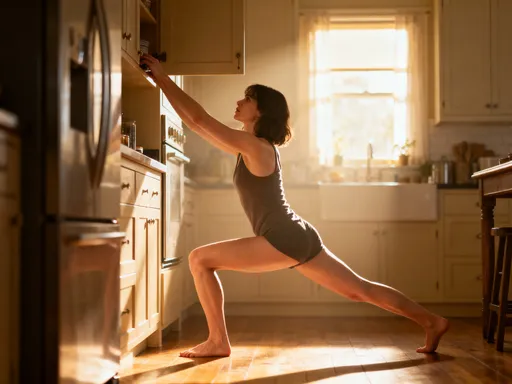
Before the platform, I’d leave with a crumpled piece of paper and good intentions that rarely lasted past the car ride home. Now, after every consultation — whether it’s with a nurse, a dietitian, or a mental health coach — I get a clear summary. Not medical jargon. Not a wall of text. Just simple, actionable steps: “Take vitamin D with breakfast,” “Schedule 10 minutes of stretching before bed,” “Check in on your mood this week.”
And here’s the magic: the platform turns those steps into gentle nudges. Not alarms. Not guilt trips. Just soft reminders woven into my day. “Time to stretch — your back pain check-in is due tomorrow.” “Don’t forget your vitamin D — it helps with energy!” These aren’t commands. They’re care packages delivered by technology. And because they’re tied to real advice from real professionals, I actually listen.
One of the biggest changes? I stopped feeling overwhelmed by health advice. It wasn’t a mountain to climb — it was a path with clear markers. And because the platform broke everything down into tiny, doable actions, I didn’t need huge motivation. I just needed to show up for five minutes. And that made all the difference.
Organizing My Life Around My Well-Being — Not the Other Way Around
Here’s something I never expected: when I started taking better care of my health, everything else started to shift. Not because I had more time — I didn’t. But because I had more clarity. I began to notice patterns. I saw that on days I slept well, I was more patient with my kids. On days I moved my body, I felt more focused at work. On days I checked in with my emotions, I showed up better in my relationships.
So I started designing my life around those insights. Instead of squeezing self-care into the cracks, I built the cracks around self-care. I moved my toughest work meetings to mid-morning, when my energy was highest. I scheduled difficult conversations after my mindfulness routine, not before. I even started planning family dinners around my walking schedule — “Let’s eat at 6:30 so I can walk at 5:00 while it’s still light.”
It sounds small, but it was transformative. I wasn’t just managing my health — I was building a life that supported it. And that changed how I felt about everything. I stopped apologizing for needing rest. I stopped feeling guilty for saying no. I started seeing self-care not as selfish, but as essential — like oxygen on a plane. You have to put your mask on first.
The platform helped me see that well-being isn’t a side project. It’s the foundation. And when you build your days around that foundation, everything else — your work, your family, your joy — has a chance to thrive.
The Emotional Relief of Knowing Someone (or Something) Has Your Back
There’s a quiet loneliness that comes with trying to do it all. You smile at drop-off, you nod in meetings, you make dinner, you tuck in the kids — and all the while, you’re carrying this invisible weight. No one sees it. No one asks. And sometimes, you don’t even know how to name it.
That’s where the platform became more than a tool — it became a companion. Not a replacement for my friends or family, but a steady presence in between. On days when I felt too tired to call anyone, I could open the app and write a few sentences in my mood journal. No judgment. No pressure. Just space to breathe.
And sometimes, that space was enough. Other times, the platform would notice a pattern — “You’ve logged low energy for four days” — and suggest, “Would you like to talk to a counselor?” Not pushy. Not urgent. Just there. And on the days I said yes, it made a difference. I didn’t have to explain my whole life. I could just say, “I’m tired. I feel stuck.” And that was enough.
Knowing that someone — or something — was paying attention took a weight off my shoulders. It didn’t fix everything, but it made me feel less alone. And that, in itself, was healing. Self-care stopped feeling like another item on the list. It started feeling like a promise I was finally keeping — to myself.
Building a Life That Feels Lighter, Not Busier
If I could go back and tell my overwhelmed self one thing, it would be this: You don’t need to do more. You need to feel less burdened. The real goal isn’t perfection. It’s peace. It’s waking up and knowing you don’t have to remember everything. It’s trusting that your goals are safe, your progress is seen, and your next step is clear.
That’s what the platform gave me — not a perfect life, but a lighter one. I still have messy days. I still forget things. I still have moments of doubt. But now, I have a system that holds me when I stumble. I have a record of my efforts. I have gentle guidance when I lose my way.
And because of that, I show up differently. I’m more patient. I’m more present. I’m kinder — to my family, to my colleagues, and most of all, to myself. I don’t wait for motivation. I don’t chase discipline. I just follow the path that’s already been lit for me, one small step at a time.
This isn’t about becoming someone else. It’s about becoming more of who you already are — the woman who cares deeply, who shows up, who wants to live well. And now, with the right support, you don’t have to do it alone. You don’t have to keep falling off track. You just have to take the next step — and let the rest follow.