You Won’t Believe How Simple Anti-Aging Can Be
Aging is inevitable, but how we age is within our control. Many people accept stiffness, low energy, and slow recovery as normal, but what if they don’t have to be? After years of searching, I discovered a practical, science-backed rehabilitation approach that changed how I feel every day. It’s not about looking younger—it’s about functioning better. This is what I wish I’d known sooner. The truth is, much of what we blame on age isn’t time itself, but the habits we’ve carried through the years. By shifting our daily routines, we can rebuild resilience, restore mobility, and reclaim energy in ways that feel natural, sustainable, and deeply empowering.
The Hidden Truth About Aging: It’s Not Just Time
For decades, society has treated aging as an unavoidable decline—a slow erosion of strength, flexibility, and vitality. Yet modern science reveals a more hopeful truth: while chronological age is fixed, biological aging is highly influenced by lifestyle. Many of the symptoms we associate with getting older—joint stiffness, fatigue, slower healing—are not direct results of time, but of inactivity, poor recovery, and repetitive strain. The body is designed to adapt, repair, and regenerate, but only if given the right conditions. When movement becomes limited and recovery is neglected, tissues stiffen, muscles weaken, and metabolic efficiency drops. This process, often mistaken for natural aging, is largely preventable.
The key distinction lies in understanding healthspan versus lifespan. Lifespan refers to how long we live; healthspan is how long we live well—free from chronic pain, disability, and dependence. Research from institutions like the National Institute on Aging shows that individuals who maintain physical function into later life are not necessarily genetically gifted. Instead, they tend to follow consistent, low-intensity movement patterns, prioritize rest, and manage inflammation through diet and stress regulation. These habits delay the onset of age-related decline, sometimes by decades. In essence, the quality of aging is less about genes and more about daily choices.
This means that even small, consistent actions can shift the trajectory of how we age. Sitting less, moving more frequently, and supporting the body’s natural repair systems can preserve joint health, maintain muscle mass, and sustain energy levels. The goal isn’t to reverse time, but to slow the accumulation of wear and tear. By viewing the body as a dynamic system that responds to input, we regain agency. Aging doesn’t have to mean decline—it can mean refinement, resilience, and continued growth, supported by intentional living.
My Wake-Up Call: Why I Started This Journey
There was no single dramatic event—no diagnosis, no fall, no emergency room visit. Instead, it was a series of small frustrations that piled up over time. Waking up with stiff shoulders. Needing to pause halfway up the stairs. Feeling exhausted after a short walk. At first, I dismissed these as normal signs of getting older. I told myself, “Everyone feels this way.” But deep down, I knew something was off. I remembered how light and capable my body once felt, and I began to wonder: was this really the best I could expect?
The turning point came during a family outing. I watched my children run ahead on a nature trail, laughing and climbing over rocks with ease. I wanted to join them, but my knees ached, and my back tightened with every step. I didn’t want to hold anyone back, so I stayed behind, pretending I wanted to take photos. That moment stung. It wasn’t about keeping up with the kids—it was about losing the simple joy of movement. I realized I wasn’t just aging; I was withdrawing from life. And if I didn’t make a change, this withdrawal would only deepen.
That evening, I began researching. I read studies on functional aging, watched interviews with physical therapists, and explored rehabilitation programs designed for midlife and beyond. What I found wasn’t about extreme fitness or expensive treatments. It was about relearning the basics: how to move with ease, how to recover effectively, and how to support the body’s innate ability to heal. I started with five minutes of gentle joint mobility each morning. Within weeks, I noticed less stiffness. Within months, I could walk longer, sleep better, and carry groceries without discomfort. The change wasn’t miraculous—it was gradual, consistent, and entirely within my control. And it reminded me that vitality isn’t lost to time; it’s often just misplaced by habit.
The Core Problem: Why Standard Advice Falls Short
Most anti-aging advice focuses on surface-level solutions: creams for wrinkles, supplements for energy, or intense workouts to “stay young.” While some of these have merit, they often miss the root cause of age-related decline—poor movement patterns and inadequate recovery. Skincare can’t fix joint stiffness. A vitamin pill won’t restore balance or prevent falls. And high-intensity exercise, while beneficial for some, can actually accelerate wear and tear if the body isn’t prepared. The result? People follow well-meaning advice but still feel stiff, tired, and disconnected from their bodies.
One of the most persistent myths is that pain is necessary for progress—“no pain, no gain.” This mindset leads many to push through discomfort, ignoring warning signals from their joints and muscles. Over time, this can create micro-damage that accumulates into chronic issues. Another common misconception is that rest is laziness. In reality, rest is a biological necessity. The body repairs tissues, regulates hormones, and consolidates motor learning during periods of stillness. Without adequate recovery, even the best exercise routine becomes counterproductive. These outdated beliefs keep people stuck in cycles of strain and fatigue, mistaking them for normal aging.
Additionally, most fitness programs are designed for performance, not longevity. They prioritize strength, speed, or aesthetics over function, balance, and sustainability. For someone in their 40s, 50s, or beyond, this approach can be overwhelming or even harmful. What’s needed isn’t more intensity, but smarter movement—gentle, frequent, and aligned with the body’s natural mechanics. Rehabilitation, not punishment, is the foundation of lasting vitality. By shifting focus from appearance to function, from extremes to consistency, we can create a practice that supports the body for decades, not just days.
Building the Foundation: Movement That Rebuilds
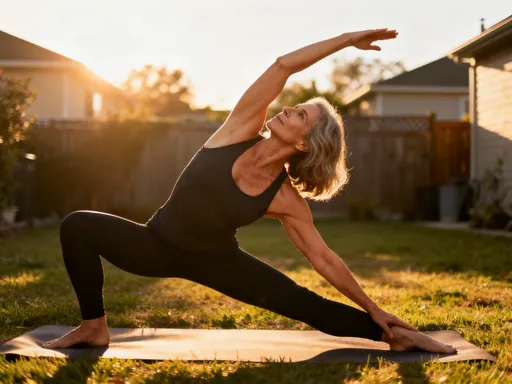
Rehabilitation begins with relearning how to move. This doesn’t require a gym, a trainer, or expensive equipment. It starts with small, intentional actions that restore mobility, improve posture, and rebuild confidence in the body. The goal isn’t to achieve a perfect pose or set a personal record, but to regain ease in everyday movements—standing up, reaching overhead, turning the head, walking without strain. These are the movements that define independence, and they can be preserved and even restored at any age.
One of the most effective practices is joint mobility work. This involves slow, controlled movements that lubricate the joints, improve circulation, and increase range of motion. For example, shoulder circles, ankle rolls, and spinal twists take just minutes but can significantly reduce stiffness. These movements signal to the nervous system that the body is safe to move, reducing protective tension. Over time, this helps dissolve the “rust” that builds up from prolonged sitting or repetitive motions. The key is consistency—doing a little each day is far more effective than occasional intense sessions.
Posture resets are another essential component. Modern life keeps us in forward-flexed positions—bent over phones, desks, and steering wheels. This posture compresses the spine, strains the neck, and weakens the core. A simple reset—standing tall, shoulders back, chin slightly tucked—can be done multiple times a day. Pairing this with deep breathing enhances the effect, helping the body recalibrate its alignment. Functional strength exercises, such as seated stands, wall push-ups, and heel-to-toe walks, build stability without strain. These movements mimic real-life actions, making them practical and sustainable.
The beauty of this approach is its accessibility. It fits into daily life—before breakfast, during work breaks, before bed. It’s not about carving out an hour at the gym; it’s about weaving movement into the fabric of the day. And because it’s gentle, it’s sustainable. Over time, these small actions add up, creating a body that moves with greater ease, confidence, and resilience.
Recovery That Works: Rest, Rhythm, and Routine
True recovery goes beyond sleep. While quality rest is essential, recovery also involves regulating the nervous system, managing stress, and restoring balance to the body’s rhythms. Modern life disrupts these rhythms—constant screen time, irregular schedules, and emotional stress keep the nervous system in a state of low-grade alert. This chronic activation increases inflammation, impairs healing, and accelerates aging. To counteract this, we need structured recovery practices that signal safety and promote repair.
Breathwork is one of the most powerful tools. Slow, diaphragmatic breathing activates the parasympathetic nervous system, which governs rest and digestion. Just five minutes of deep breathing—inhaling for four counts, holding for four, exhaling for six—can lower heart rate, reduce muscle tension, and improve mental clarity. This practice can be done anywhere: at a desk, in the car, before bed. Over time, it trains the body to shift out of stress mode and into recovery mode more easily.
Structured rest breaks are equally important. Instead of waiting until exhaustion sets in, intentional pauses throughout the day prevent fatigue from accumulating. A two-minute stand-and-stretch break every hour, a five-minute seated meditation after lunch, or a brief walk in natural light can reset the body and mind. These micro-recoveries add up, preserving energy and focus. Evening wind-down routines also play a crucial role. Dimming lights, reducing screen exposure, and engaging in calming activities—reading, light stretching, gentle music—prepare the body for deep, restorative sleep.
Sleep hygiene, often overlooked, is foundational. The body performs critical repair work during deep sleep, including tissue regeneration and hormone regulation. Creating a consistent bedtime, keeping the bedroom cool and dark, and avoiding stimulants in the evening support this process. When recovery becomes a deliberate part of the day, not an afterthought, the body regains its ability to heal, adapt, and thrive.
Nutrition for Resilience: Fueling Repair from Within
While movement and recovery are central, nutrition plays a supporting but vital role in anti-aging rehabilitation. The right foods provide the building blocks for tissue repair, reduce inflammation, and support energy metabolism. However, this isn’t about restrictive diets or chasing superfoods. It’s about consistent, whole-food patterns that nourish the body without adding stress. Simplicity and sustainability are key.
Hydration is the first and most basic need. Water supports joint lubrication, nutrient transport, and detoxification. Even mild dehydration can cause fatigue, headaches, and stiffness. Drinking water throughout the day—starting with a glass in the morning—keeps tissues supple and metabolism efficient. Herbal teas and water-rich foods like cucumbers and melons also contribute to hydration.
Protein is essential for maintaining muscle mass, which naturally declines with age. Without enough protein, the body struggles to repair tissues and sustain strength. Including a source of high-quality protein at each meal—such as eggs, Greek yogurt, beans, or fish—supports muscle preservation. Timing matters: consuming protein within an hour after movement enhances recovery. However, it’s important to balance protein with fiber-rich plant foods to support digestion and gut health.
Plant diversity is another cornerstone. A wide variety of colorful vegetables, fruits, nuts, and seeds provides antioxidants and phytonutrients that combat oxidative stress—a major contributor to aging. Instead of focusing on single “miracle” foods, aim for variety across meals. A simple goal is to include at least three different colors of produce at each meal. This ensures a broad spectrum of nutrients without requiring perfection. The result is a body that feels lighter, more energized, and better equipped to handle daily demands.
Putting It All Together: A Realistic Daily Plan
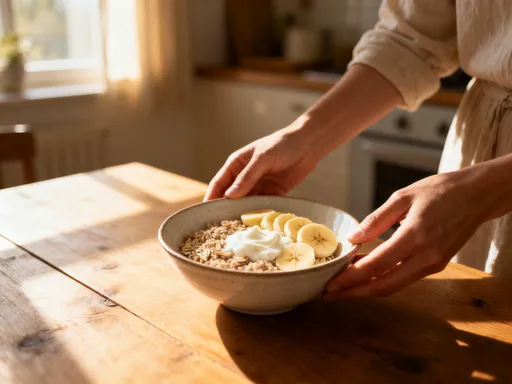
The power of anti-aging rehabilitation lies in consistency, not complexity. It’s not about overhauling life overnight, but about weaving small, sustainable practices into daily routines. A realistic framework might look like this: start the day with five minutes of joint mobility and deep breathing. This signals to the body that a new day of movement and repair has begun. Follow with a hydrating drink and a balanced breakfast that includes protein and plant-based nutrients.
Throughout the day, take movement snacks—short bursts of activity every hour. Stand up, stretch the arms overhead, roll the shoulders, walk to the end of the hallway and back. These mini-sessions prevent stiffness and boost circulation. Pair them with structured rest breaks: close your eyes for two minutes, practice diaphragmatic breathing, or step outside for fresh air. These pauses are not luxuries—they are essential for maintaining energy and focus.
At meals, focus on mindful eating: chew slowly, savor flavors, and avoid distractions. This supports digestion and helps the body absorb nutrients more effectively. Include protein at each meal and aim for colorful, plant-rich plates. In the evening, wind down with a screen-free routine: light stretching, gentle breathing, or reading. Keep the bedroom environment conducive to sleep—cool, dark, and quiet.
This plan isn’t rigid. It adapts to life’s demands. Some days will be more active; others will require more rest. The goal is not perfection, but presence—showing up for your body every day, in small ways that add up. Over weeks and months, these habits create noticeable changes: less pain, more energy, better sleep, and greater confidence in daily movement. The body responds not to grand gestures, but to repeated, gentle care.
Long-Term Gains: More Than Looking Good
The benefits of this approach extend far beyond how we look. Yes, posture improves, skin may appear more vibrant, and clothes might fit better. But the real rewards are functional: the ability to play with grandchildren without back pain, to carry luggage without strain, to walk through a museum without needing to sit. These are the moments that define quality of life. Anti-aging rehabilitation isn’t about vanity—it’s about vitality, independence, and the freedom to live fully, regardless of age.
Over time, consistent movement and recovery build a resilient body—one that adapts to challenges, recovers quickly from minor injuries, and maintains balance and coordination. This reduces the risk of falls, supports joint health, and preserves mobility well into later years. Energy levels stabilize, mood improves, and mental clarity sharpens. These changes are not dramatic; they are subtle, cumulative, and deeply meaningful.
Most importantly, this journey fosters a new relationship with the body—one based on care, not criticism. Instead of fighting aging, we learn to support it. We stop viewing our bodies as problems to fix and start seeing them as allies to nurture. This shift in mindset is as powerful as any physical practice. It brings peace, acceptance, and a renewed sense of agency.
Every woman over 30 can benefit from this approach, regardless of current fitness level. The key is to start small, stay consistent, and seek guidance when needed. Consulting with a physical therapist, occupational therapist, or certified trainer can provide personalized support. But the foundation—gentle movement, mindful recovery, and nourishing food—is within everyone’s reach. Aging well isn’t about defying time. It’s about building a body that lasts, one thoughtful choice at a time.