Why I Take Charge of My Health—And You Should Too
Women’s health isn’t just about reacting to problems—it’s about staying ahead of them. I’ve learned that small, consistent choices make a huge difference in preventing disease and feeling my best. From daily habits to routine checks, prevention is power. This is what works for me, based on real experience and medical guidance. Let’s explore how taking proactive steps can transform long-term well-being—naturally and effectively. It’s not about perfection, but persistence. And it starts with the simple truth: your health is not something to be managed only when it fails. It’s a lifelong commitment to yourself, one that pays dividends in energy, peace of mind, and the ability to show up fully for your family, your passions, and your future.
The Hidden Risks Women Often Ignore
Many of the most serious health conditions affecting women are preventable, yet they often go undetected until they become more difficult to manage. Heart disease, for example, is the leading cause of death among women worldwide, surpassing many other well-known illnesses. Despite this, symptoms in women can differ from the classic chest pain often associated with heart attacks. They may include fatigue, shortness of breath, nausea, or discomfort in the neck, jaw, or back—symptoms easily dismissed as stress or aging. Because these signs are subtle or atypical, they are frequently overlooked by both women and healthcare providers.
Osteoporosis is another silent threat. This condition, characterized by weakened bones, often shows no symptoms until a fracture occurs—sometimes from a minor fall or even everyday movements. Women are especially vulnerable after menopause, when declining estrogen levels accelerate bone loss. Similarly, certain cancers such as breast, cervical, and colorectal cancers can develop over years without obvious warning signs. Early detection through regular screenings dramatically improves outcomes, yet many women delay or skip these essential tests due to fear, lack of access, or the belief that they feel fine.
The reality is that feeling well does not always mean being well. The body is remarkably resilient and can compensate for underlying issues for long periods. This ability to function despite internal imbalances can create a false sense of security. However, waiting for symptoms to appear often means missing the best window for intervention. Awareness is the first line of defense. Understanding which conditions are more common in women and recognizing that early stages may not come with dramatic signals empowers women to take action before small issues become major health challenges. Prevention begins with knowledge—and the courage to act on it, even when nothing seems wrong.
Mindset Shift: From Reactive to Proactive
For many women, the instinct to care for others often comes at the expense of their own well-being. Raising children, managing households, supporting aging parents—these responsibilities can make personal health feel like a luxury rather than a necessity. The phrase “I’ll deal with it later” becomes a familiar refrain, repeated until a minor concern grows into a serious condition. This reactive approach—waiting until something hurts or breaks down—is deeply ingrained in many women’s lives, shaped by cultural expectations and personal habits of self-sacrifice.
Consider the woman who chalks up constant fatigue to a busy schedule, or the one who ignores persistent back pain because she has no time to see a doctor. These are not signs of weakness; they are signs of a mindset that equates endurance with strength. But true strength lies in recognizing that self-care is not selfish—it is sustainable. When a car needs maintenance, we don’t wait for the engine to fail. We change the oil, check the tires, and replace worn parts before they cause breakdowns. The human body deserves the same thoughtful attention.
Shifting from a reactive to a proactive mindset means redefining what it means to be strong. It means understanding that taking time for a doctor’s appointment, preparing a nutritious meal, or going to bed early is not indulgence—it’s stewardship. It’s an investment in the years ahead, in the ability to remain active, present, and independent. This shift doesn’t happen overnight. It starts with small acknowledgments: yes, I matter. Yes, my health matters. And yes, I am worth the effort. When women begin to view health as a continuous process of maintenance rather than emergency repair, they open the door to greater longevity and quality of life.
Daily Habits That Build Long-Term Resilience
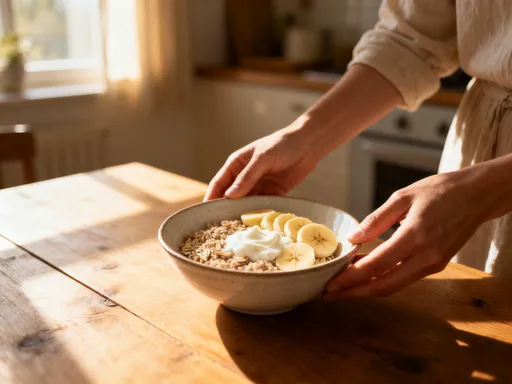
Long-term health is not built in a single dramatic act, but through the quiet consistency of daily choices. What you eat, how you move, how well you sleep—these are the foundation stones of well-being. Nutrition plays a central role. A balanced diet rich in whole grains, lean proteins, healthy fats, fruits, and vegetables supports every system in the body. It helps regulate blood sugar, maintain a healthy weight, and reduce inflammation, which is linked to numerous chronic diseases. Staying hydrated is equally important; even mild dehydration can affect concentration, energy levels, and digestion.
Sleep is another pillar of resilience. During sleep, the body repairs tissues, balances hormones, and consolidates memory. Chronic sleep deprivation has been associated with increased risks of heart disease, obesity, and weakened immunity. Yet many women sacrifice sleep to meet the demands of work or family. Establishing a regular sleep routine—going to bed and waking at consistent times, limiting screen exposure before bedtime, and creating a restful environment—can significantly improve sleep quality.
Integrating these habits into a busy life doesn’t require drastic changes. Small adjustments add up. Choosing water over sugary drinks, adding a serving of vegetables to one meal, taking a 10-minute walk after dinner—these are manageable steps that create lasting impact. The goal is not perfection, but progress. Over time, these choices become automatic, forming a lifestyle that supports vitality rather than depleting it. When daily habits align with long-term health goals, the body responds with greater energy, clearer thinking, and enhanced resistance to illness.
Movement as Medicine: Finding What Works for You
Physical activity is one of the most powerful tools for disease prevention, yet it is often misunderstood. Many women associate exercise with intense workouts or gym memberships, which can feel intimidating or unattainable. But movement doesn’t have to be strenuous to be beneficial. Walking, for instance, is a low-impact, accessible form of exercise that improves cardiovascular health, strengthens bones, and boosts mood. Just 30 minutes a day can make a meaningful difference in long-term health outcomes.
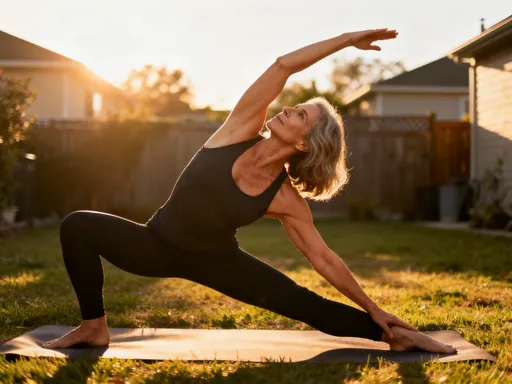
Strength training is another essential component, especially as women age. Muscle mass naturally declines over time, which can slow metabolism and increase the risk of falls and fractures. Incorporating resistance exercises two to three times a week helps preserve muscle, support joint health, and improve balance. These can include bodyweight exercises like squats and lunges, or using light weights or resistance bands at home. Flexibility and balance practices such as stretching, yoga, or tai chi also contribute to mobility and reduce injury risk.
One of the biggest obstacles to consistent movement is the perception of not having enough time or energy. But physical activity actually increases energy levels by improving circulation and oxygen flow. The key is to start small and choose activities that feel enjoyable rather than punitive. A walk with a friend, dancing to favorite music, or gardening can all count as valuable movement. Consistency matters more than intensity. Building a routine that fits your lifestyle—rather than forcing yourself into one that doesn’t—leads to sustainable results. When movement becomes a source of joy rather than a chore, it transforms from an obligation into a gift to your future self.
The Power of Routine Screenings and Check-Ups
Even with healthy habits, some health issues cannot be detected without medical evaluation. This is where routine screenings and regular check-ups play a vital role. Preventive care is not about finding problems—it’s about catching them early, when treatment is most effective. For women, key screenings include blood pressure checks, cholesterol tests, diabetes screenings, and cancer-related exams such as mammograms, Pap tests, and colonoscopies. The recommended frequency and timing of these tests vary based on age, family history, and individual risk factors.
Despite their importance, many women avoid or delay these appointments. Some believe that if they feel healthy, they don’t need to see a doctor. Others face logistical barriers such as cost, transportation, or lack of time. Fear of bad news can also be a powerful deterrent. But avoiding check-ups doesn’t make health problems disappear—it only allows them to progress unchecked. Early detection of conditions like high blood pressure or precancerous cells can prevent serious complications down the line.
Regular visits to a healthcare provider also offer an opportunity to discuss concerns, review medications, and receive personalized guidance. These conversations help build a partnership between patient and provider, ensuring that care is tailored to individual needs. A doctor can identify subtle changes, recommend appropriate tests, and provide support for lifestyle changes. Preventive care is not a one-size-fits-all approach. It’s a dynamic process that evolves with age, life stage, and health status. By making routine check-ups a non-negotiable part of self-care, women take a powerful step toward long-term health and peace of mind.
Emotional Wellness and Its Physical Impact
Emotional health is not separate from physical health—it is deeply intertwined. Chronic stress, anxiety, and emotional suppression can have measurable effects on the body. When the body is under constant stress, it produces elevated levels of cortisol, a hormone that, in excess, can weaken the immune system, increase blood pressure, and contribute to weight gain, particularly around the abdomen. Over time, unmanaged stress raises the risk of heart disease, digestive issues, and sleep disorders.
Women often carry emotional burdens in silence, believing they must handle everything on their own. But bottling up emotions doesn’t make them disappear—it redirects their impact into the body. Studies have shown that prolonged emotional distress can exacerbate chronic conditions and slow healing. Recognizing emotional wellness as a critical component of prevention is essential. Just as physical health requires maintenance, so does mental and emotional well-being.
Science-backed strategies can help manage stress and support emotional balance. Mindfulness practices, such as meditation or deep breathing exercises, activate the body’s relaxation response, lowering heart rate and calming the nervous system. Even a few minutes a day can reduce anxiety and improve focus. Journaling, talking with trusted friends, or seeking professional counseling are also effective ways to process emotions. Social connection plays a protective role—women with strong support networks tend to have better health outcomes. Prioritizing emotional wellness is not a luxury; it is a necessary part of disease prevention and overall resilience.
Putting It All Together: A Sustainable Prevention Plan
Building a life of health and prevention doesn’t require a complete overhaul. Lasting change comes from small, consistent steps that fit into real life. Start by assessing your current habits: what is working, and where could you make one small improvement? Perhaps it’s adding more vegetables to your meals, scheduling a long-overdue check-up, or committing to a daily walk. Choose one or two changes to focus on, and give yourself time to adjust before adding more.
Create a personalized plan that includes nutrition, movement, sleep, emotional wellness, and preventive care. Use a journal or calendar to track progress, not to achieve perfection, but to build awareness and accountability. Include activities that bring joy—because sustainability depends on enjoyment. If you dislike running, don’t force it. Find movement that feels good. If meal prep feels overwhelming, start with one healthy recipe per week. Flexibility and self-compassion are key.
Remember, this is not a race or a test. It’s a lifelong journey of caring for yourself with intention and kindness. There will be days when old habits return or motivation fades—and that’s normal. What matters is the ability to return to your plan without judgment. Over time, these small choices accumulate into a powerful legacy of health. By taking charge now, you are not just preventing disease—you are creating the conditions for a vibrant, engaged, and fulfilling life. Prevention is not about fear; it’s about freedom. Freedom to live well, to age with strength, and to be there for the people and moments that matter most.
True health isn’t about chasing quick fixes—it’s built through daily choices, informed awareness, and consistent care. By embracing prevention, women can live with more energy, clarity, and strength. This isn’t just about avoiding illness; it’s about claiming a fuller, healthier life. Always consult a healthcare professional to tailor these principles to your unique needs.