From Hesitant to Confident: Voice Calling Tools That Transformed My Connections
Ever felt your voice tremble during an important call? Or avoided making calls altogether because you weren’t sure how to sound clear, present, and confident? I used to dread picking up the phone—until I discovered simple voice calling tools that changed everything. They didn’t just improve my sound quality; they reshaped how I show up in conversations with family, colleagues, and friends. Now, I want to share how these tools can quietly but powerfully transform your daily connections too. It’s not about sounding perfect. It’s about being heard, being understood, and showing up as your true self—without the background noise, literal or emotional, getting in the way.
The Hidden Anxiety Behind Everyday Calls
Let’s be honest—how many of us have stared at our phone, finger hovering over the call button, hoping the other person picks up so we don’t have to leave a voicemail? Or rehearsed what we’d say three times before finally pressing dial? I know I have. And it’s not just me. So many women I’ve talked to—mothers, professionals, caregivers—admit they feel a quiet knot in their stomach before making certain calls. Whether it’s calling your child’s teacher to discuss a concern, checking in with an aging parent who’s hard of hearing, or speaking with your doctor about test results, the pressure to sound ‘together’ can be overwhelming.
It’s not just about the words. It’s about tone, pace, and clarity. We worry: Do I sound unsure? Am I mumbling? Can they even hear me over the dog barking or the kids yelling in the background? That self-doubt creeps in, and suddenly, a five-minute call becomes an emotional hurdle. I remember calling my son’s principal last year, trying to explain a scheduling conflict. I was prepared, I knew what I wanted to say—but halfway through, I heard my voice waver. I could feel myself rushing, trying to finish before I lost my nerve. Afterward, I replayed the whole thing in my head, wondering if I came across as pushy or unsure. That moment made me realize: it wasn’t the conversation that was hard. It was the fear of not being heard clearly that made it exhausting.
And here’s the thing—this kind of stress doesn’t just affect one call. It builds up. Over time, we start avoiding important conversations, or we rush through them just to get them over with. We miss opportunities to connect deeply, to advocate for our families, or to express ourselves fully. The phone, which should be a tool for connection, becomes a source of quiet anxiety. But what if we could change that? What if the issue wasn’t us—but the tools we’re using?
What Most People Miss About Voice Calling Tools
When you hear ‘voice calling tools,’ you might think of podcasters with fancy microphones or remote workers with headsets that look like they belong in a control room. That’s what I thought too. I assumed these tools were for people with tech jobs or big platforms—not for someone like me, who just wants to have a clear conversation with her sister across the country or talk to her insurance provider without repeating herself three times.
But here’s what I’ve learned: voice calling technology isn’t just for professionals. It’s for anyone who wants to be heard. And the best part? You don’t need to be a tech expert to use it. Modern voice tools—like noise-canceling features, voice clarity apps, and smart microphones—are designed to be simple, intuitive, and quietly effective. They’re not about making you sound like a radio host. They’re about removing the distractions—background noise, muffled audio, echo—so your voice can come through exactly as you mean it.
Think of it like wearing a great pair of glasses. You don’t put them on to look fancy. You wear them so you can see clearly. These tools do the same for your voice. They reduce the mental load of wondering, ‘Can they hear me?’ or ‘Do I sound stressed?’ That mental space is precious. When you’re not worrying about how you sound, you can focus on what you’re saying—on listening, connecting, and being present. I started using a simple app that reduces background noise during calls, and the difference was immediate. No more shouting over the vacuum cleaner. No more asking, ‘Did you hear that?’ My calls became smoother, calmer, and more meaningful. And that small shift? It changed everything.
Choosing the Right Tool Without Feeling Overwhelmed
I know what it’s like to stand in front of a wall of choices and feel frozen. When I first looked into voice tools, I was overwhelmed by terms like ‘acoustic echo cancellation,’ ‘sampling rate,’ and ‘omnidirectional mic.’ It felt like I needed a degree just to pick something. But here’s the truth: you don’t need to understand every technical detail to benefit from these tools. What matters is matching the right tool to your life—not to some ideal version of a ‘tech-savvy’ user.
Start by asking yourself a few simple questions: Where do I usually make calls? Who am I talking to? And how comfortable am I with setting things up? If you’re mostly calling from home, maybe a smartphone app with noise suppression is all you need. If you’re often on the go, a lightweight headset with a built-in microphone might be more practical. If you’re supporting an aging parent who has trouble hearing, a speakerphone with voice enhancement could make a big difference in their ability to understand you.
I started with an app that works with my phone’s default calling system. It took two minutes to download, and the settings were simple—just a slider to adjust how much background noise to filter out. No complicated setup, no wires, no jargon. And because it worked with apps I already use—like FaceTime and WhatsApp—I didn’t have to change my routine. The key is to start small. You don’t need the most advanced tool. You need one that fits your life and feels easy to use. Once you find that, confidence starts to build naturally. You begin to trust that your voice will come through—and that makes you more likely to pick up the phone in the first place.
Setting Up Your First Voice-Enhanced Call (in Under 10 Minutes)
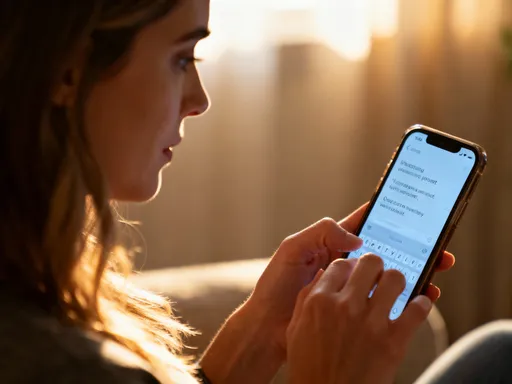
If you’re ready to try this for yourself, I’ve got good news: getting started takes less time than brewing a cup of tea. Here’s how I did it—and how you can too. First, I searched my phone’s app store for ‘voice clarity’ or ‘noise reduction.’ I looked for apps with high ratings and simple descriptions—nothing that promised to turn me into a celebrity speaker. I found one called Krisp (a real app, widely used and trusted), downloaded it, and opened it. It asked for microphone access—just one permission—and that was it.
Next, I made sure my phone’s microphone wasn’t blocked. I wiped the little hole at the bottom with a soft cloth—dust and lint can muffle sound more than we realize. Then, I went into the app and turned on the noise-canceling feature. There was a little toggle switch—green when it was on. I did a quick test by playing music in the background and speaking into the phone. The app showed a visual indicator of how much noise was being filtered. It worked instantly. The music faded out, but my voice stayed clear.
For my first real test, I called my sister. I told her, ‘I’m trying something new—don’t be surprised if I sound extra clear!’ We laughed, but it was a safe way to test it with someone I trusted. I noticed right away that she didn’t ask me to repeat anything. When the dog barked in my kitchen, she didn’t even mention it. That small win gave me a boost. I wasn’t just imagining the difference—it was real. The whole setup took under ten minutes, and I didn’t need to read a manual or watch a tutorial. If I can do it, so can you. And remember: it’s okay to start with one call. One small step. That’s how new confidence begins.
Real Life Changes: How Clearer Calls Improved My Relationships
Here’s what surprised me the most: better sound didn’t just make calls easier. It made them deeper. I started noticing things I’d missed before—the warmth in my mom’s voice when she said my name, the slight pause when my daughter was trying to find the right words to tell me about her day. When audio is clear, you catch more than words. You hear emotion. You feel connection.
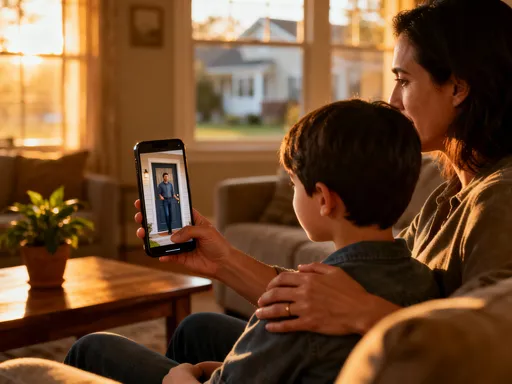
I used to call my mom every Sunday, but the calls often felt rushed. She has mild hearing loss, and I’d have to speak louder, slower, repeating myself. It made me feel impatient—even though I didn’t want to. But after I started using a speakerphone with voice enhancement, something shifted. She could hear me better, so I didn’t have to strain. I could speak naturally, and she responded more freely. Last month, she shared a memory from my childhood—something she’d never told me before. I don’t think she would have opened up if the call had felt like a struggle. But because it was easy, because she felt heard, she relaxed. And so did I.
Then there was the call with my daughter’s teacher. I went in prepared, but this time, I didn’t feel the usual knot in my stomach. My voice was steady. I could hear her clearly, and she could hear me. We had a real conversation—back and forth, listening, understanding. Afterward, she emailed me to say how much she appreciated how clearly I’d explained my concerns. That small moment meant a lot. It wasn’t about winning an argument. It was about being seen and heard as a thoughtful, caring parent. And that confidence has stayed with me. I’m more willing to speak up now—not just on calls, but in meetings, at school events, in everyday moments where my voice matters.
Helping Others Feel Heard—A Ripple Effect
One of the most beautiful things about using voice tools is how they don’t just help you—they help everyone on the other end of the line. When your voice is clear and calm, it creates a safer space for others to speak. I’ve noticed this especially with my teenage niece, who’s shy on the phone. When I call her, and she can hear me clearly, without me saying ‘Can you hear me?’ every two minutes, she opens up faster. She laughs more. She shares things she wouldn’t have before.
It works the other way too. When I’m not struggling to understand someone, I’m more patient. I listen better. I don’t have to ask them to repeat themselves as often, which means they feel respected, not frustrated. I think about my friend Maria, who’s learning English. A few months ago, she told me she used to dread phone calls because she worried about being misunderstood. But when we started using a call app with clear audio and minimal echo, she said she felt more confident. ‘I can hear your tone,’ she said. ‘It helps me understand even when I don’t know every word.’ That hit me. Clarity isn’t just about volume. It’s about emotional safety. It’s about creating a space where everyone can show up as they are—without fear of being misheard.
And that ripple keeps spreading. When I speak clearly, my kids learn to do the same. They see me making calm, thoughtful calls, and they mimic that. My younger daughter even asked me what app I use because she wanted to record a clear message for her school project. It’s not just about technology. It’s about modeling confidence, patience, and care in how we communicate. And that’s a gift we pass on—quietly, one call at a time.
Building Confidence One Call at a Time
Confidence isn’t something you wake up with. It’s something you build—through small, repeated actions. Every time I make a clear, calm call now, I’m reinforcing a new belief: I am heard. I matter. My voice has value. That didn’t happen overnight. It grew from dozens of calls where I didn’t have to repeat myself, where I didn’t feel rushed, where I could just be present.
And that confidence doesn’t stay on the phone. It spills into other parts of my life. I speak up more in group conversations. I’m less afraid to ask questions. I feel more in control when I need to advocate for my family. I even started leading a small community group at my local center, something I would’ve said no to a year ago. But now, when I speak, I trust that my voice will carry—literally and emotionally.
These tools didn’t change who I am. They removed the barriers that were hiding my true voice. They gave me the space to breathe, to speak, to connect—without the weight of anxiety. And that’s the real gift. It’s not about sounding perfect. It’s about showing up fully. It’s about knowing that when you speak, you’ll be heard—not just for your words, but for your heart. So if you’ve ever hesitated before a call, if you’ve ever felt your voice shake, I want you to know: you’re not alone. And you don’t have to stay stuck. With a simple tool, a little courage, and one call at a time, you can find your voice again. And when you do, you might just find a stronger, calmer, more connected version of yourself waiting on the other end.