More than directions: How navigation apps quietly made my daily life smarter and calmer
We’ve all been there—running late, stressed, circling the block, late for a school pickup or a work meeting, heart racing as we squint at street signs. I used to dread unfamiliar routes, but now? I move through the city with a quiet confidence I didn’t know I could have. It’s not just about getting from A to B. It’s about how a simple tap on my phone has quietly reshaped my days, giving me back time, focus, and peace of mind. What started as a tool to avoid wrong turns has become something deeper—a daily companion that helps me show up as a calmer mom, a more present partner, and someone who finally feels in control of her time.
The Anxiety of Getting Lost (And Why It Drains More Than Time)
There was a time when a new address could send me into a spiral. I remember one rainy Tuesday, rushing to my daughter’s first piano recital across town. I’d printed out directions the night before—yes, printed, like it was 2005—but somewhere near the university district, I took a wrong turn and couldn’t find the street. My hands gripped the wheel, my breath shallow, and my mind raced: Did I miss the turn? Is the GPS even working? Why didn’t I leave earlier? By the time I arrived, soaked and flustered, the performance had already started. I slipped into the back row, avoiding eye contact, my cheeks burning with guilt and frustration. That moment stayed with me—not just because I missed the beginning, but because I realized how much emotional energy I was losing to something as simple as a route.
It wasn’t just that one time. Getting lost wasn’t just a delay; it was a domino effect. A late arrival meant a rushed dinner, a shorter bedtime story, more tension in the house. I’d snap at my kids over tiny things, and my husband would gently ask, “Rough drive?” as if he could smell the stress on me. The truth is, the mental load of navigation—remembering turns, guessing traffic, worrying about parking—was quietly wearing me down. It wasn’t just my time that was being stolen; it was my calm, my patience, my joy. And I wasn’t alone. So many women I know—moms, caregivers, professionals juggling ten roles at once—carry this invisible weight. We’re not just driving; we’re managing schedules, moods, snacks, and conversations, all while trying not to miss the exit.
What I didn’t realize then was that this constant low-level anxiety was affecting more than my mood. Studies have shown that repeated stress from unpredictable situations—like getting lost—can elevate cortisol levels, disrupt sleep, and even impact decision-making. It’s not dramatic, but it’s real. And for someone already stretched thin, it’s the kind of thing that can tip the balance from “I’ve got this” to “I’m barely holding on.” That’s when I started wondering: what if I didn’t have to carry all of that mental navigation anymore? What if I could just… trust the map?
From Survival to Strategy: How Maps Became My Daily Co-Pilot
The shift didn’t happen overnight. At first, I only opened the navigation app when I was truly lost—like a last resort, a digital white flag. But then, one hectic morning, I was running late for a doctor’s appointment, and my phone buzzed: “Heavy traffic on your usual route. Suggested alternate path saves 12 minutes.” I hesitated—would this back road even be safe?—but I tapped “Go.” And it worked. Not only did I arrive early, but I didn’t have to think once about where to turn. That small win changed everything.
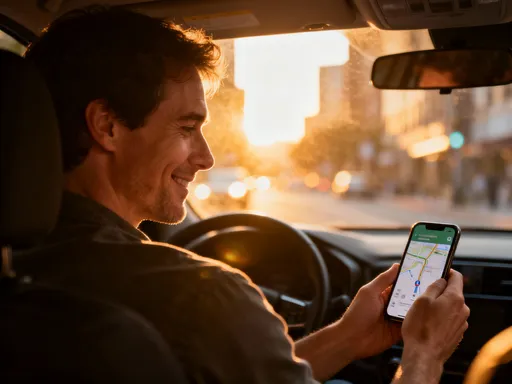
From that day on, I started using the app proactively, not just reactively. Instead of waiting for a crisis, I began checking traffic before I left. I’d glance at the screen while packing lunches and think, Okay, school drop-off is clear, grocery store has light traffic at 10:30, and the highway should be smooth by pickup time. It was like having a co-pilot who knew the city better than I ever could. The mental load lightened. I wasn’t making constant decisions anymore—I was following a calm, clear plan. And that shift from survival to strategy made all the difference.
What surprised me most was how much decision fatigue I’d been carrying without realizing it. Every turn, every light, every parking spot was a tiny choice. Multiply that by dozens of trips a week, and it adds up. Now, the app handles the routing, and I handle the important things—like listening to my daughter’s story about her best friend, or planning what to make for dinner. I’m not handing over control; I’m delegating the details so I can focus on what matters. And honestly? It feels like a small act of self-care. I’m not just getting from place to place—I’m showing up more fully when I arrive.
Reclaiming Time: The Hidden Gift of Smarter Routes
Let’s talk about time—because that’s where the real magic happens. At first, I thought saving a few minutes here and there was nice, but not life-changing. Then I started adding it up. If I save 10 minutes on my commute, 7 on errands, 12 on school runs—that’s nearly an hour a week. Over a month, that’s four extra hours. Over a year? Nearly five full days. That’s not just time; that’s space. Space to breathe, to read, to sit with a cup of tea and watch the sunrise without rushing.
I began to treat those minutes like a gift. Instead of filling them with more tasks, I started protecting them. I’d leave the house a little later, knowing the app would keep me on track. That meant more time in the morning—time to help my son tie his shoes without rushing, time to pack his lunch without spilling juice on the counter. I started scheduling “bonus time” into my day: 15 minutes to sit on the porch after dropping the kids at school, or a quiet moment with a book before starting dinner prep. These weren’t luxuries; they were lifelines.
And here’s the thing: when you’re not constantly racing against the clock, your whole energy shifts. I noticed I was less irritable, more patient, more present. My kids commented on it—“You’re not yelling in the car anymore,” my daughter said one day, half-joking. I laughed, but it was true. The stress of being late had been leaking into everything. Now, arriving on time—or even early—felt normal. I wasn’t just saving minutes; I was reclaiming my calm. And that calm didn’t just stay in the car. It followed me into the house, into conversations, into bedtime routines. It was like the app wasn’t just guiding my route—it was guiding my mood.
Teaching My Kids Independence—With a Little Help from GPS
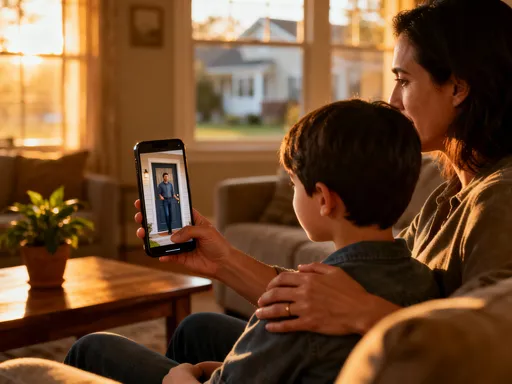
One of the most unexpected benefits has been how navigation tools have helped my kids grow. I’ll admit, I was nervous when my oldest asked if he could take the bus to his friend’s house across town. He’s responsible, but he’s still 14. What if he gets off at the wrong stop? What if the bus breaks down? My mom-brain went into overdrive. But then I remembered the shared location feature. I didn’t have to track him like a spy—just enable it for a few hours, so I could see his progress and know he arrived safely.
The day he left, I watched the little dot move across the map. He boarded, the bus turned onto the main road, he transferred, and finally, he arrived. I didn’t call, didn’t text “Where are you?”—I just knew. And when he called to say he’d made it, I could say, “I saw! You did great,” without sounding like I’d been obsessively checking. It wasn’t about control; it was about peace of mind. And for him? It was about trust. He knew I believed he could do it, and I knew I could let go—just a little.
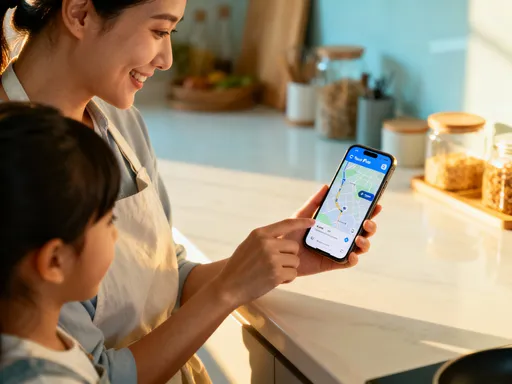
Now, we use location sharing as a family tool. My daughter uses it when she walks home from the library, and I appreciate the quiet reassurance. It’s not about surveillance; it’s about connection. It’s a digital hug that says, “I’m here if you need me.” And as my kids gain independence, that balance—between freedom and safety—feels more possible than ever. GPS isn’t just helping them navigate the city; it’s helping us all navigate this stage of growing up.
Learning Without Trying: How Daily Navigation Built My Spatial Awareness
Here’s something I never expected: I’ve actually started to learn the city better. I used to think that relying on GPS would make me helpless—like I’d forget how to read a map entirely. But the opposite happened. Because I’ve taken the same routes so many times, with the app narrating turns and showing me the layout, I’ve absorbed the geography almost by osmosis. Now, I can drive to my son’s soccer field or the weekend farmers market without turning on navigation. I know the major cross streets, the tricky intersections, the best parking spots.
It’s like the app didn’t replace my brain—it trained it. By showing me the same paths repeatedly, with clear visuals and voice cues, it built my mental map over time. I notice street names now. I recognize landmarks. I can give directions to friends without pulling out my phone. That feels empowering. It’s not that I’ve memorized every corner of the city, but I’ve gained a confidence in movement that I never had before. And that confidence extends beyond driving. I feel more comfortable walking in new neighborhoods, trying different bus lines, even exploring on my own. The app didn’t make me dependent—it made me capable.
There’s a quiet pride in realizing you’ve learned something without even trying. It’s like the technology didn’t just serve me; it taught me. And that’s a gift I didn’t see coming. I’m not just getting from place to place anymore—I’m understanding where I am, and how to get back. That sense of orientation, of knowing your way in the world, is more valuable than I ever realized.
Beyond Driving: Using Maps for Calmer Walking, Biking, and Exploring
I used to think of navigation apps as just for cars. But they’ve transformed my non-driving moments, too. Last spring, I decided to start walking more—partly for my health, partly to clear my head. But I live in a sprawling suburb, and without a plan, walks felt aimless. Then I discovered the footpath routing feature. I could type in “walk from my house to the river trail,” and the app would show me the safest sidewalks, crosswalks, and shortcuts I’d never noticed.
Suddenly, walking became enjoyable, not stressful. I wasn’t worried about getting lost or ending up on a busy road. I could trust the app to guide me through quiet neighborhoods and tree-lined paths. I started discovering little parks, cozy cafes, and flower shops tucked away in corners I’d driven past a hundred times. One Saturday, I followed a suggested scenic route and stumbled upon a community garden with hand-painted signs and blooming lavender. I sat on a bench, breathed deeply, and thought, I never would’ve found this without the map.
It’s the same with biking. I’ve started using the bike lane routing feature, and it’s made weekend rides with my family so much smoother. We avoid steep hills, stay on protected paths, and find rest stops with water fountains and shade. Even public transit has become easier. Instead of standing at the bus stop, wondering if I’m at the right one, I can see the real-time arrival, the route map, and even get alerts when I’m approaching my stop. Offline maps have been a game-changer for trips to areas with spotty service. I download the city map before I go, and I’m never stranded.
These small shifts have added up to a bigger change: I explore more. I say yes to invitations to new places. I take the scenic route just because. And that sense of adventure—of curiosity and discovery—has brought so much joy back into my daily life. It’s not about being a tourist in my own city; it’s about remembering that there’s always something new to see, and I don’t have to figure it out alone.
The Quiet Confidence That Stays With You
Looking back, I realize that the biggest change hasn’t been in my commute—it’s been in me. The woman who used to panic at a wrong turn now drives through unfamiliar neighborhoods with a quiet smile. I’m not just more efficient; I’m more capable. I trust myself to handle detours, delays, and surprises—not because I know everything, but because I know I have support. That confidence isn’t loud or flashy. It’s subtle, like the hum of the engine or the soft voice saying, “In 500 feet, turn right.” But it’s there, steady and sure.
And it’s not just about getting places. It’s about how I show up when I arrive. I’m calmer. I listen better. I’m more present with my family, my friends, myself. I’ve stopped apologizing for being late. I’ve started arriving with time to spare, and that extra margin has given me back my breath, my patience, my joy. The app didn’t just change my routes—it changed my rhythm.
Technology often gets framed as something that distracts us, pulls us away from real life. But this? This feels different. It’s not replacing human connection or intuition. It’s making space for them. By handling the logistics, it lets me focus on what really matters—being there, being kind, being me. It’s a small thing, really, this little map on my phone. But sometimes, the smallest tools make the biggest difference. They don’t just guide us through the city—they guide us back to ourselves.